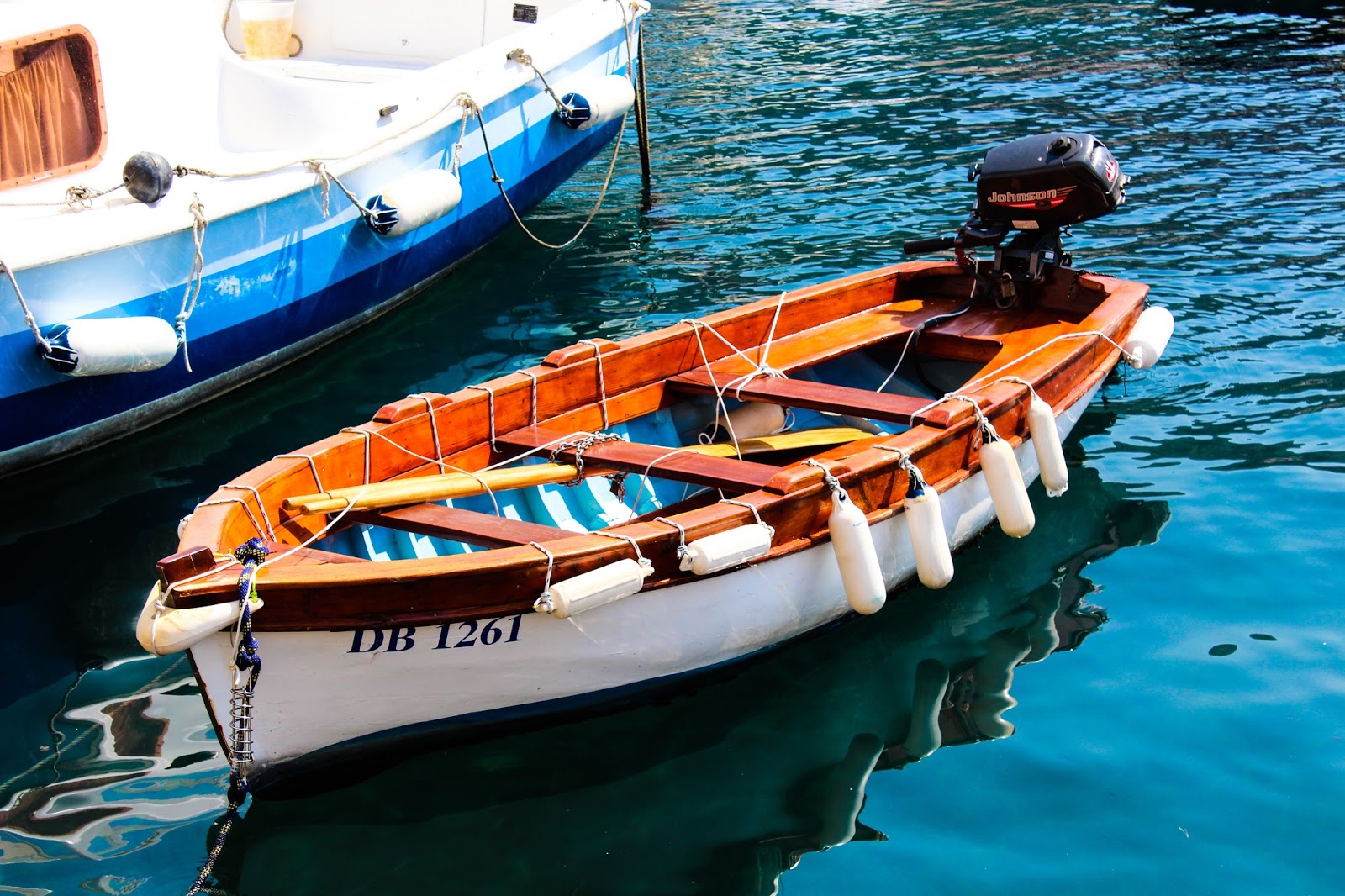
On the fourth day of the trip we went to the city of Dubrovnik which is a UNESCO site. The old part of the city is walled in and no one has every successfully invaded the city. The first picture is of a church right when you walk in through the main gate of the city. The second picture is looking down one of the many small alleyways of the city. Most of the alleyways are no wider then an average persons arm length. The third picture is of an old church which is now a bank. Growing out of the pot above the door way is an Cyprus tree. The tour guide said that it was 200 years old. The next picture is of the main church inside the city walls. The next two photo's is of the sunset from our hotel. One is overlooking the gardens down to the sea the other one is overlooking the pool down to the sea. The seventh photo is of a small boat in the harbor in the city. To me it looked like the perfect boat to have. The final picture is of one of the many cats that roam the streets inside the walls of the city.